What to Know Before Hiring a Tree Removal Company
When a tree on your property becomes a hazard, the decision to have it removed is rarely an easy one. Trees provide shade, beauty, and environmental benefits, so calling for removal usually means the situation has moved past routine maintenance. Whether it is storm damage, disease, or a tree growing too close to your home, the job of taking it down safely requires skill, proper equipment, and a clear understanding of what professional tree removal services involve.
Why Tree Removal Is Not a DIY Task
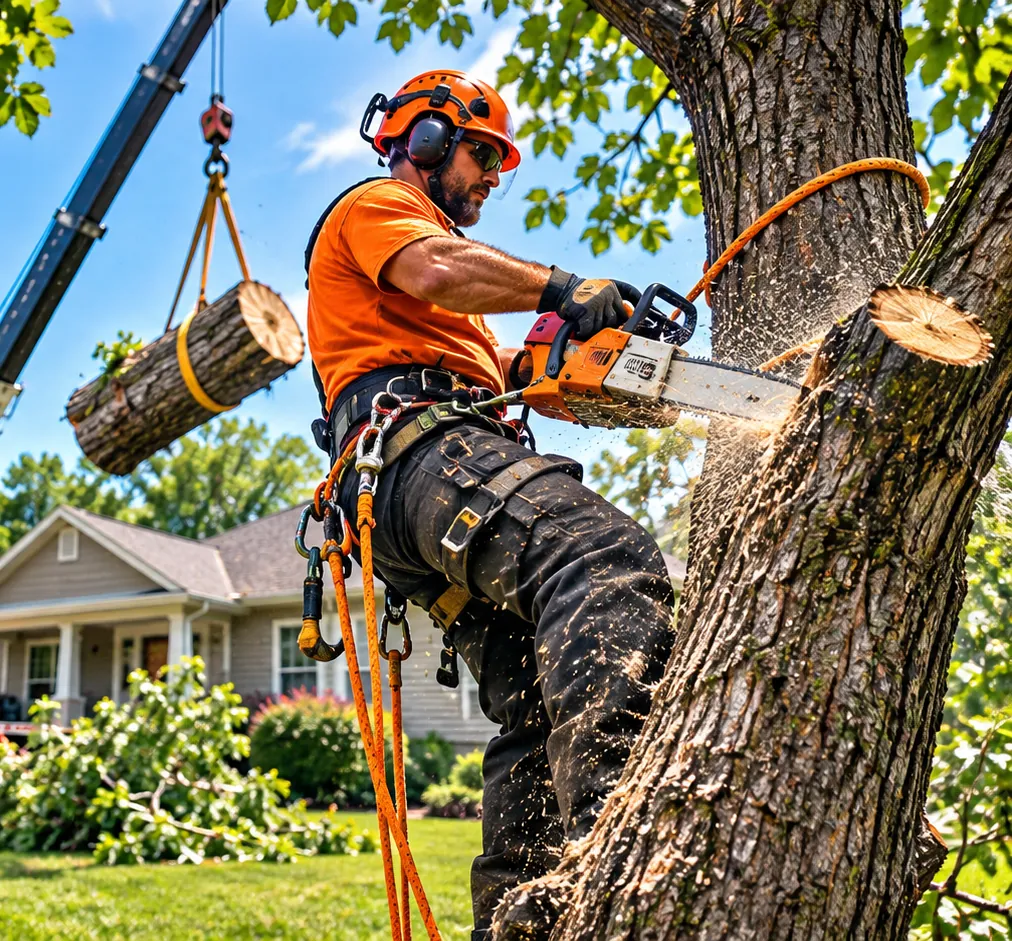
Removing a large tree is dangerous work. The weight of a single limb can crush a car or punch through a roof. The direction a tree falls is influenced by wind, decay, and the balance of its canopy. Without years of experience, predicting that path is guesswork. Professional tree removal services use rigging techniques to lower branches in controlled sections, protecting everything around the tree. They also carry insurance and follow safety standards that a homeowner renting a chainsaw simply cannot match. If you are considering tackling the job yourself, think about the risks to people, structures, and underground utilities before picking up a saw.
Signs You Might Need Tree Removal
Not every tree that looks untidy needs to come down. But certain warning signs should not be ignored. A tree with large dead branches, fungal growth at the base, or a trunk that has developed a lean after a storm warrants a professional inspection. Cracks in the trunk or major limbs, soil heaving around the root plate, and cavities that expose decayed wood all reduce a tree's structural integrity. If a tree has lost more than half its foliage for two consecutive seasons, it may be declining beyond recovery. In these cases, removal is often the safest option before the tree fails on its own.
What Professional Tree Removal Services Include
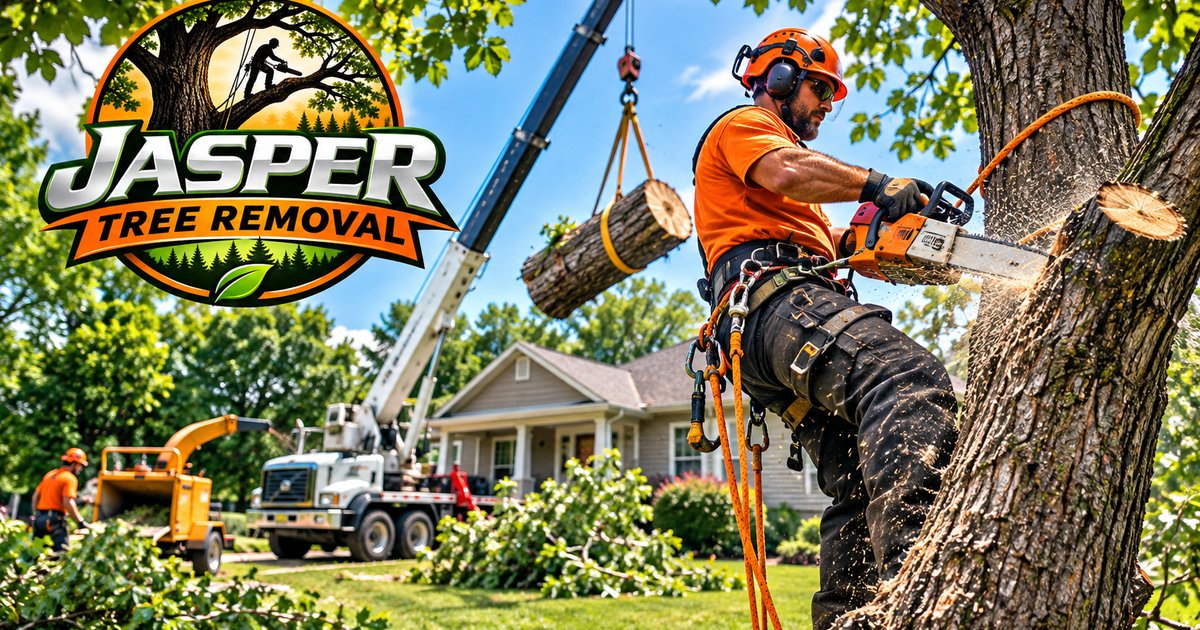
A full-service removal job typically covers more than just cutting down the trunk. The crew assesses the site, sets up rigging lines, and climbs the tree to remove limbs in sections. For trees in tight spaces, they may use a crane or specialized climbing gear to lower pieces rather than dropping them. Once the main trunk is cut to a stump, the crew grinds the stump below grade so the area can be replanted or graded. Many companies also haul away the debris, leaving your yard clean. Some offer additional services like lot clearing for new construction or storm cleanup after severe weather. When you call a company like Jasper Tree Removal, you are paying for the expertise, equipment, and insurance that make the job safe and complete.
How to Evaluate a Company Before You Hire
Choosing the right contractor matters as much as deciding to remove the tree. Start by confirming they carry liability insurance and workers' compensation. A reputable company will provide proof without hesitation. Ask if they follow industry standards set by the Tree Care Industry Association or the International Society of Arboriculture. These certifications are not required by law in every state, but they signal a commitment to safety and ongoing training. Get a written estimate that spells out the scope of work, including stump grinding and debris removal. Be wary of any estimator who quotes a price over the phone without seeing the tree. A proper bid requires a site visit. Also, check that the crew uses proper climbing gear and does not rely on spikes that damage the bark on a tree you want to keep nearby.
Timing and Seasonal Considerations
Tree removal can be done year-round, but timing affects cost and convenience. Late winter and early spring are busy seasons for many companies, so scheduling may take longer. Summer storms create urgent demand for emergency services. If your tree is not an immediate hazard, you may have the flexibility to wait for a slower period when rates are lower and crews are more available. On the other hand, if a tree poses a risk to your home or driveway, do not delay. Most reputable companies offer 24/7 emergency response for storm damage and imminent threats. Acting quickly can prevent far more expensive property damage later.
What Happens After the Tree Is Down
Once the tree is removed, you are left with a stump and often a pile of wood chips or logs. Stump grinding is usually an additional service, but many companies include it in the removal quote. Grinding the stump six to twelve inches below the surface allows you to plant grass or a new tree in the same spot. The wood chips can be used as mulch or hauled away, depending on your preference. Some companies will split larger logs for firewood if you ask. Discuss these options before the work begins so there are no surprises on the final invoice.
Cost Factors You Should Understand
Several variables influence the price of tree removal. The size and species of the tree matter: a towering oak in a tight backyard costs more to remove than a small pine in an open field. Accessibility is another factor. If the crew can drive a bucket truck to the tree, the job is faster. If they must climb and rig every piece by hand, labor time increases. Proximity to structures, power lines, and landscaping also affects the complexity. A tree leaning toward a house requires careful cabling and controlled lowering. Disposal fees for hauling debris can add to the total. Always ask what is included and what might be extra, such as stump grinding or multiple trips for large debris.
How to Prepare Your Property
Before the crew arrives, clear the area around the tree. Move vehicles, patio furniture, grills, and anything breakable. Mark any sprinkler heads or invisible dog fences so the crew can avoid them. If you have pets, keep them indoors or in a secure area away from the work zone. Let your neighbors know about the scheduled work, especially if the tree is near a property line. A little preparation on your part helps the crew work efficiently and reduces the chance of damage to your belongings.
The Value of Local Expertise
Tree species, soil conditions, and local weather patterns all influence how a tree grows and how it should be removed. A company that works regularly in your area understands these factors. They know which trees are prone to splitting after ice storms and which soils make root systems unstable. They also know local ordinances about permits, protected species, and setback requirements. Choosing a local provider means you get someone who has seen the same problems you face and knows how to solve them. Jasper Tree Removal, for instance, serves residential and light commercial clients in Jasper and Pickens County, Georgia. Their familiarity with the region's trees and conditions means they can assess risks and plan removals with local knowledge that a national chain might lack.
Final Thoughts on Hiring Tree Removal Services
Removing a tree is a significant decision that affects the safety, appearance, and value of your property. Taking the time to understand what the job involves, how to pick a qualified company, and what to expect during and after the work will help you avoid costly mistakes. Professional tree removal services are not just about cutting wood; they are about managing risk, preserving the landscape, and ensuring the job is done right the first time. Whether you are dealing with a storm-damaged oak or clearing a lot for a new build, a thoughtful approach to hiring will give you peace of mind long after the sawdust settles.
Jasper Tree Removal on social media
 Twitter
 Instagram
 YouTube